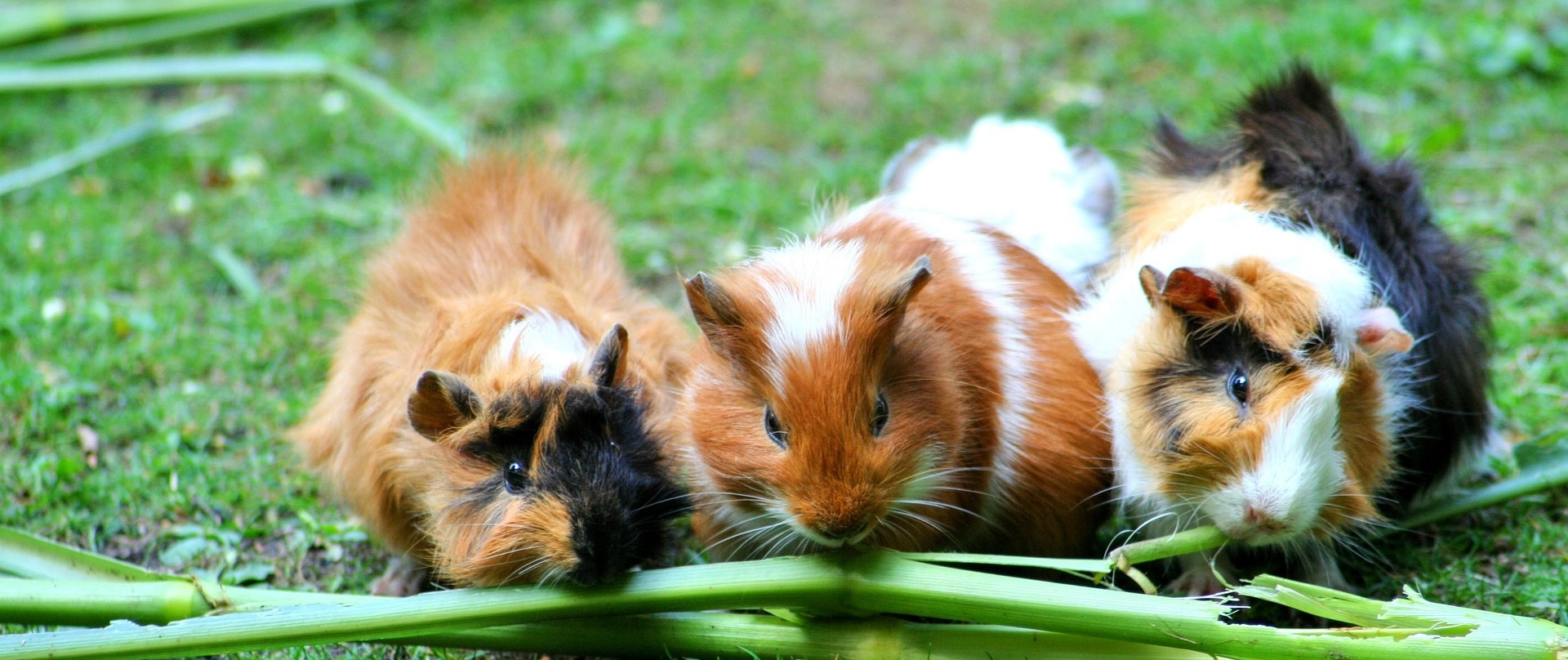
How much sugar should my guinea pig eat?
Guinea pigs do not actually need sugar in their diet. While they may love the taste of sweet fruits, too much sugar can lead to serious health issues.
What the Science Says
Scientific studies have shown that very high-sugar diets (around 14g of sugar per day) can cause guinea pigs to suffer from health problems like glucose intolerance (similar to diabetes in humans) and damage to vital organs in as little as 8 to 12 weeks.
While these studies show what is unsafe, they don't explicitly say what a "safe" amount is for long-term health. However, it is clear that sugar should be kept to a minimum.
Researching Pet Diets
To see what experts recommend in practice, Cavv analyzed 64 daily diet examples from veterinary and rescue sources. They looked at how much sugar was provided by the fresh vegetables and fruits in these diets.
Diet Analysis Results
The analysis showed how much sugar is typically included in recommended fresh-food portions:
| Statistic | Sugar (g) |
|---|---|
| Average | 1.50 |
| Minimum | 0.40 |
| 10th Percentile | 0.80 |
| Lower Quartile | 1.08 |
| Median | 1.40 |
| Upper Quartile | 1.83 |
| 90th Percentile | 2.34 |
| Maximum | 3.20 |
Recommended Daily Amount
For most days, your guinea pig's sugar intake from fresh foods should be less than 1.4 g.
This recommendation is based on the median value of expert diet examples. Diets in this range focus on low-sugar vegetables and leafy herbs. Higher amounts (up to 2.3g) should only happen on "treat days" when you offer a small piece of fruit. Keeping sugar low helps prevent obesity, dental problems, and digestive issues.
For more details, you can read the full report here: Scientific and Practical Nutritional Guidelines for Pet Guinea Pigs.